
When it comes to safeguarding your property, assets, or events, few security measures match the effectiveness of highly trained canine units. K9 security dogs offer a unique blend of sharp instincts, unparalleled sensory capabilities, and a commanding physical presence that human guards and technology simply cannot replicate.
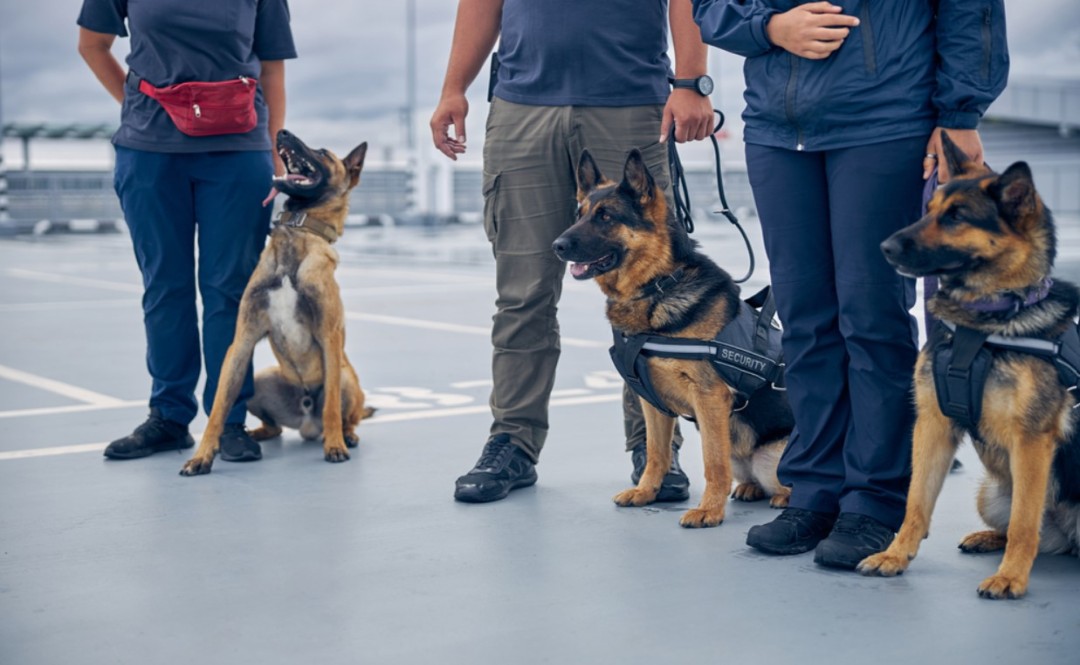
However, not all working dogs perform the same tasks. The security industry generally divides these highly skilled animals into two distinct categories: patrol dogs and detection dogs. Understanding the difference between these roles is vital for ensuring you deploy the right security solution for your specific needs.
This comprehensive article will explain the distinct roles, training, and capabilities of patrol and detection dogs. We will also explore the UK legal requirements for handlers, the substantial benefits of using K9 security dogs, and how you can select the perfect service to keep your premises secure.
The Vital Role of K9 Security Dogs
Security threats constantly evolve, requiring businesses and homeowners to adopt robust defence strategies. K9 security dogs serve as an integral part of modern safety protocols. Their mere presence often stops criminals in their tracks, preventing incidents before they occur. Furthermore, a dog’s sense of smell is estimated to be tens of thousands of times more sensitive than a human’s, allowing them to perceive hidden threats that would otherwise go unnoticed.
Whether you need to secure a sprawling construction site, a crowded festival, or a private residence, K9 units provide unmatched reliability and peace of mind.
Patrol Dogs: Deterrence and Protection
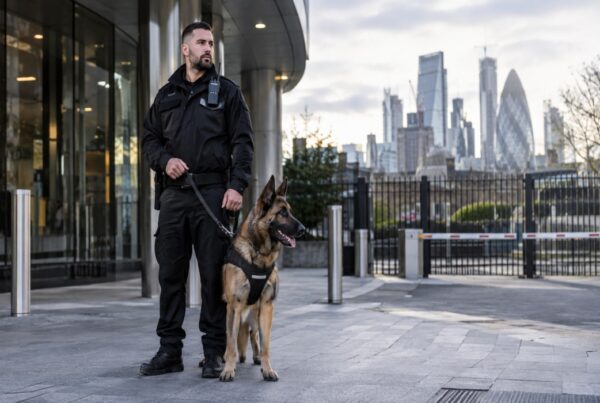
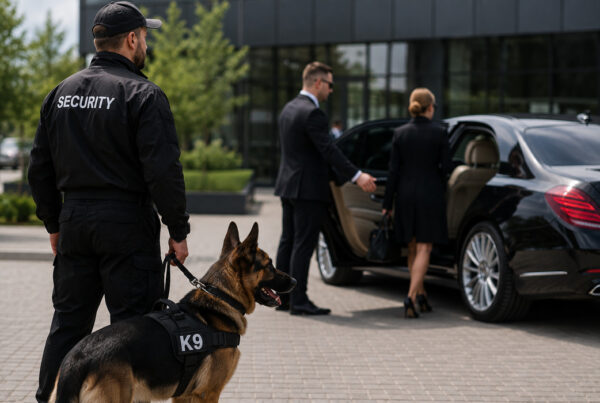
Patrol dogs, often referred to as general-purpose security dogs, are the visible protectors of the security world. Breeds typically used for this role include German Shepherds, Belgian Malinois, and Rottweilers, chosen for their intelligence, loyalty, and imposing physical presence.
Primary Duties
The main function of a patrol dog is deterrence. These dogs actively patrol perimeters, secure vulnerable access points, and guard critical infrastructure. They are trained to protect their handler and apprehend intruders if a situation escalates. You will frequently see patrol dogs deployed at construction sites, industrial estates, and large public events where visible security is necessary to maintain order.
Training and Capabilities
Training a patrol dog requires immense dedication and expertise. These dogs undergo rigorous obedience training to ensure they remain entirely under their handler’s control, even in high-stress environments.
Key capabilities include:
- Perimeter defence: Identifying and alerting handlers to unauthorised individuals entering a restricted area.
- Handler protection: Defending the security officer against physical attacks.
- Controlled aggression: Only displaying aggression when explicitly commanded or when reacting to a clear threat, and stopping immediately upon command.
- Chase and detain: Pursuing fleeing suspects and holding them safely until law enforcement arrives.
A well-trained patrol dog operates as an extension of the handler, creating a formidable team that can de-escalate volatile situations swiftly.
Detection Dogs: Precision and Discovery
Detection dogs, sometimes called sniffer dogs, serve an entirely different purpose. While they may not have the imposing stature of a patrol dog, their capabilities are equally critical. Breeds like Springer Spaniels, Labrador Retrievers, and Pointers excel in these roles due to their extraordinary olfactory senses and high drive to work for rewards.
Primary Duties
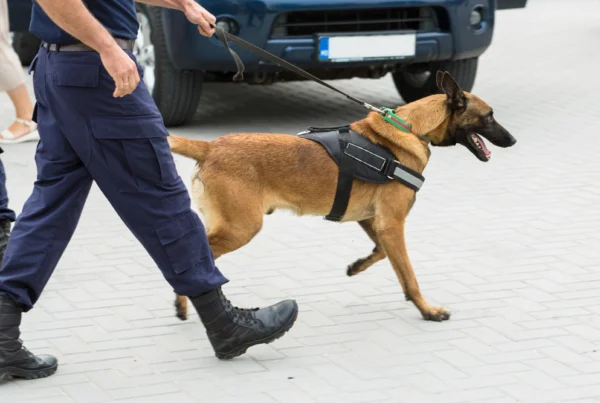
Detection dogs specialise in finding specific, hidden substances. Depending on their specialised training, they locate narcotics, explosives, firearms, or illegal contraband. You will commonly find these highly focused K9 security dogs at airports, seaports, concert venues, and corporate buildings.
Training and Capabilities
Detection dogs do not rely on aggression or intimidation. Instead, their training focuses entirely on scent recognition and indication. Trainers use a reward-based system, often associating the target scent with a favourite toy or treat.
Key capabilities include:
- Proactive searching: Systematically checking vehicles, cargo, luggage, and buildings for concealed threats.
- Passive indication: Sitting or freezing in place when they locate a target scent, such as explosives, to avoid triggering a device.
- Active indication: Scratching or barking at the source of a scent, typically used for less volatile substances like narcotics.
- High-stamina focus: Working for extended periods in busy, noisy environments without losing concentration.
Detection dogs operate with incredible precision, offering a non-invasive way to screen large numbers of people or vast amounts of cargo quickly and accurately.
Key Differences Between Patrol and Detection Dogs
To summarise the core differences, you must look at their primary objectives. Patrol dogs provide a physical barrier, deterring crime through their presence and intervening to protect property and personnel. They are the frontline defenders.
Detection dogs, conversely, act as biological sensors. They operate behind the scenes or at checkpoints, focusing entirely on discovering hidden hazards. While a patrol dog might stop a burglar from entering a warehouse, a detection dog ensures that a package entering a secure facility does not contain dangerous materials.
Benefits of K9 Security Dogs for Commercial and Residential Safety
Integrating K9 units into your security strategy offers a multitude of benefits across various sectors.
Unmatched Deterrent Effect
Criminals actively look for easy targets. The visual and auditory presence of K9 security dogs provides a psychological deterrent that cameras and alarms simply cannot match. The risk of encountering a highly trained protection dog is usually enough to send trespassers looking elsewhere.
Enhanced Detection Capabilities
Human guards rely heavily on sight and hearing, which can fail in darkness or complex environments. A dog’s superior senses allow them to detect movement, scent, and sound long before a human ever could. This early warning system gives security teams the vital time needed to respond effectively.
Cost-Effective Security
A single handler and dog team can often cover the same area as multiple static security guards. Because dogs can search large areas rapidly and effectively, they reduce the workforce required to secure expansive sites, making them a highly cost-effective solution for large commercial properties and estates.
Residential Peace of Mind
For high-net-worth individuals or those living in remote areas, K9 security dogs provide unparalleled peace of mind. They can patrol large estates discreetly, ensuring the safety of families and property without intruding on daily life.
How to Choose the Right K9 Security Service
Selecting the right provider for K9 security dogs requires careful consideration. A poorly trained dog or inexperienced handler can become a liability rather than an asset.
Identify Your Specific Needs
First, determine what you are trying to achieve. Do you need a visible deterrent to stop vandalism on a building site? A patrol dog is your best option. Do you need to ensure a corporate event is free from illegal substances? You require a detection dog.
Check Accreditations and Certifications
Always ask for proof of certification and relevant accreditations. It ensures the company adheres to strict UK training and welfare standards.
Assess Handler Experience
A K9 unit is a team. The dog is only as good as the person holding the lead. Inquire about the handlers’ backgrounds, their Security Industry Authority (SIA) licensing, and their experience working in environments similar to yours.
Prioritise Animal Welfare
Ask the provider about their dog welfare policies. How are the dogs transported? What are their working hours? A company that treats its animals with respect and care will invariably provide a more reliable and professional service.
Final Words
K9 security dogs provide a dynamic, effective, and highly adaptable solution to modern security challenges. Whether you require the commanding deterrence of a patrol dog or the precise scenting capabilities of a detection dog, these working animals deliver results that technology alone cannot match.
By understanding the distinct roles these dogs play and the legal standards governing their use in the UK, you can make an informed decision to protect your business, event, or home. Always partner with accredited, ethical security providers to ensure you receive a highly trained team ready to secure your perimeter and grant you total peace of mind.Are you looking to secure your premises with K9 Security Dogs? Just connect with us for a customised security plan.