

When Safety Meets Celebration: Setting the Scene
Events are meant to be memorable for the right reasons joy, connection, and seamless experiences. Yet behind every successful event lies a quiet force ensuring everything runs smoothly: security. Whether it’s a corporate conference, wedding, music festival, or nightclub party, maintaining order is non-negotiable.
However, many people still confuse the roles of an Event Security Guard and a bouncer. At first glance, they may seem interchangeable. Both manage crowds, enforce rules, and handle disruptions. But in reality, their responsibilities, training, and approach differ significantly. Understanding these differences is essential for choosing the right protection for your event.
The Role of an Event Security Guard: Beyond the Surface
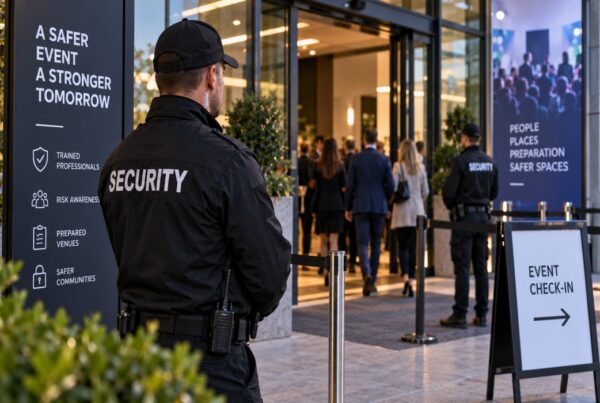
An Event Security Guard operates with a comprehensive approach to safety. Their responsibilities go far beyond just controlling entry points or handling aggressive behavior. They are trained professionals who focus on prevention, surveillance, and emergency response.
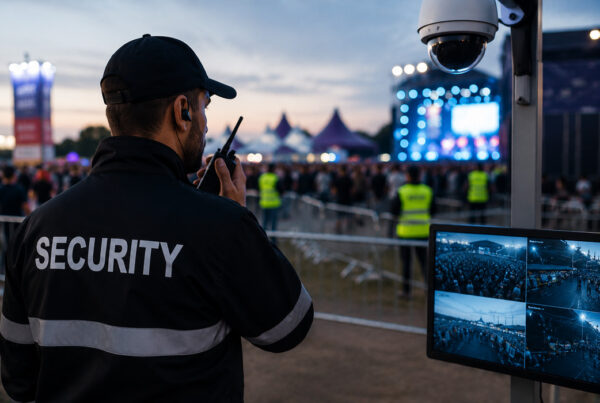
Moreover, they are often licensed and undergo formal training in risk assessment, crowd control, and conflict resolution. From monitoring CCTV systems to coordinating with emergency services, their role is structured and strategic. This makes them ideal for large-scale or high-profile events where safety cannot be compromised.
The Bouncer’s Role: Frontline Crowd Control
Bouncers, on the other hand, are typically associated with nightlife venues such as clubs and bars. Their primary responsibility is to control entry and maintain order within a specific environment.
They are often positioned at entrances to check IDs, enforce dress codes, and prevent unwanted individuals from entering. Additionally, they handle immediate physical disruptions inside the venue. While their role is important, it is generally more reactive than preventive.
Training & Certification: Professional Depth Matters
One of the most defining differences lies in training. An Event Security Guard usually undergoes formal certification programs that include:
Key Training Areas
- Risk management and threat detection
- Emergency response procedures
- Communication and de-escalation techniques
- Legal compliance and reporting
In contrast, bouncers may not always have standardized training. While experienced bouncers develop strong instincts and physical presence, their training often lacks the structured depth that security guards receive.
Prevention vs Reaction: A Strategic Divide
An Event Security Guard focuses heavily on prevention. They assess risks before they escalate and implement measures to avoid incidents altogether. For example, they may identify overcrowding risks or suspicious behavior early and take proactive steps.
Bouncers, however, are more reactive. They step in when a problem has already occurred such as a fight or an unruly guest. While effective in handling immediate issues, this approach may not be sufficient for complex events requiring layered security.
Crowd Engagement: Soft Skills vs Physical Presence
Interestingly, the interaction style also differs significantly. An Event Security Guard is trained to communicate calmly and professionally. They aim to de-escalate situations using verbal techniques before resorting to force.
Bouncers, in contrast, often rely on physical presence and authority. Their imposing demeanor can deter troublemakers, but it may also create a more intimidating atmosphere. This difference is crucial when the event requires a welcoming and inclusive environment.
Scope of Responsibility: Narrow vs Broad
The scope of an Event Security Guard is broad and multi-dimensional. Their duties may include:
Responsibilities of an Event Security Guard
- Monitoring entrances and exits
- Conducting bag checks and screenings
- Coordinating with event organizers
- Managing emergency evacuations
- Overseeing crowd flow and safety
Bouncers, however, usually have a narrower focus. Their responsibilities are limited to access control and handling disturbances within a confined area.
Emergency Handling: Who Takes Charge?
In the event of an emergency such as a fire, medical incident, or security threat an Event Security Guard is trained to take immediate and structured action. They follow established protocols, communicate with authorities, and ensure safe evacuation.
Bouncers may assist in such situations, but they are not typically trained to lead emergency responses. This makes a significant difference in high-risk scenarios where professional handling is critical.
Event Types: Choosing the Right Fit
Different events demand different levels of security. An Event Security Guard is best suited for:
Ideal Scenarios for Event Security Guards
- Corporate events and conferences
- Weddings and private functions
- Concerts and festivals
- Public gatherings and exhibitions
Bouncers are more appropriate for:
- Nightclubs and bars
- Small private parties
- Venues with controlled entry points
Choosing the right role depends on the scale, audience, and risk level of your event.
Professionalism & Brand Image
Your security team represents your event just as much as your décor or hospitality. An Event Security Guard often enhances your brand image by maintaining professionalism, wearing standardized uniforms, and dealing politely with guests.
On the other hand, bouncers may project a tougher image, which can be suitable for nightlife environments but may not align with corporate or family-friendly events.
Cost vs Value: What Are You Really Paying For?
At first glance, hiring bouncers may seem more cost-effective. However, when you consider the broader value risk prevention, guest safety, and event reputation an Event Security Guard often provides a higher return on investment.
Security is not just about handling problems; it’s about ensuring they never occur. Investing in trained professionals can save you from costly disruptions and reputational damage.
Final Verdict: Understanding the Core Difference
To summarize, while both roles contribute to safety, their approach and expertise set them apart:
Key Differences at a Glance
- Event Security Guard: Preventive, trained, professional, multi-functional
- Bouncer: Reactive, physically focused, limited scope
Ultimately, the choice depends on your event’s needs. If you require structured, proactive security, an Event Security Guard is the clear choice. If your focus is simple entry control in a nightlife setting, a bouncer may suffice.
Conclusion: Security Is an Experience, Not Just a Service
Every event tells a story. And behind every smooth experience is a well-planned security strategy. By understanding the difference between an Event Security Guard and a bouncer, you empower yourself to make smarter decisions.