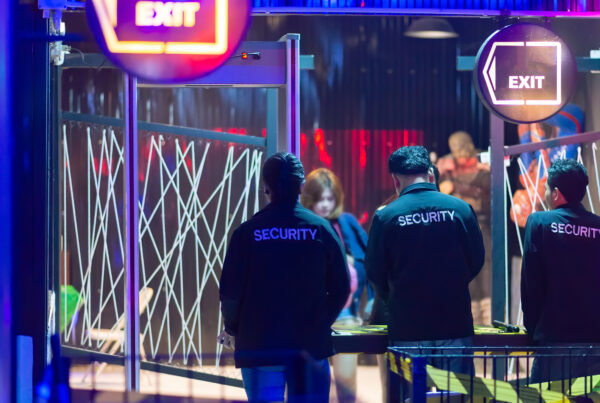
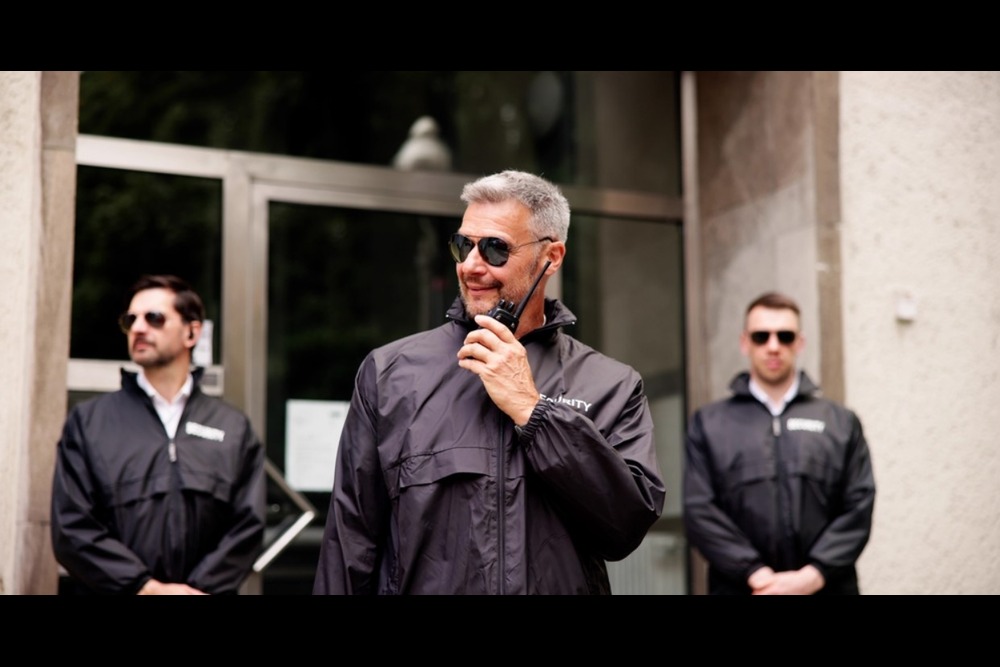
The UK Security Market continues to expand as demand for professional, compliant, and technology-driven protection rises across industries. Nowhere is this more evident than in the events sector. From music festivals and corporate conferences to sporting fixtures and private functions, event security in the UK is under increasing scrutiny.
Regulatory frameworks are tightening. Public safety expectations are higher. Insurance requirements are stricter. As a result, event organisers must adopt structured security strategies that ensure full compliance while protecting attendees, staff, and assets.
This guide provides a comprehensive update on the UK event security landscape and outlines proven strategies aligned with current compliance standards.
The Growth of the UK Security Market in the Events Sector
The UK Security has seen sustained growth driven by:
- Rising public safety concerns
- Counter-terrorism legislation
- Increased large-scale public gatherings
- Corporate duty-of-care responsibilities
Events represent a high-risk environment because they involve crowd concentration, temporary infrastructure, and dynamic risk factors. Consequently, professional event security has shifted from being optional to essential.
Organisers must now integrate security planning at the earliest stages of event development.
Understanding Regulatory Compliance in Event Security
Compliance in the UK security landscape is not negotiable. Event organisers must meet specific legal and operational standards.
1. SIA Licensing Requirements
All contracted security personnel must hold valid licences from the
Security Industry Authority
Failure to deploy licensed operatives can result in fines, event shutdowns, and reputational damage.
2. Counter-Terrorism and Public Protection Laws
The evolving regulatory framework, including initiatives inspired by
Martyn’s Law
places responsibility on venues and organisers to assess and mitigate terrorist risks. While implementation phases vary, proactive compliance is critical.
3. Health & Safety Obligations
Event organisers must comply with
Health and Safety at Work etc. Act 1974
This includes risk assessments, emergency procedures, crowd control planning, and incident response protocols.
Within the Security Market, companies that demonstrate structured compliance frameworks gain a competitive advantage.
Core Event Security Strategies for Full Compliance
To operate safely and legally within the UK, event security must be multi-layered and systematic.
1️⃣ Comprehensive Risk Assessment
Every compliant event begins with a detailed risk assessment covering:
- Crowd capacity and flow
- Entry and exit points
- VIP management
- Perimeter vulnerabilities
- Environmental hazards
Risk assessments must be documented, reviewed, and shared with relevant authorities.
Within the UK Security Market, clients increasingly demand transparent documentation before awarding contracts.
2️⃣ SIA-Licensed & Trained Personnel
Deploying licensed guards is the baseline requirement. However, compliance goes beyond licensing.
Best practice includes:
- Counter-terror awareness training
- Conflict management certification
- First aid qualification
- Crowd management expertise
High-quality providers in the UK Market prioritise continuous training to maintain operational readiness.
3️⃣ Advanced Access Control & Screening
Modern event security strategies rely on layered access control systems, including:
- Ticket verification systems
- Bag checks and search protocols
- Metal detection equipment
- Credential-based restricted zones
These procedures not only enhance safety but also demonstrate due diligence in regulatory compliance.
4️⃣ Integrated CCTV & Surveillance
Temporary CCTV deployments are now common at events. Surveillance provides:
- Real-time incident monitoring
- Post-event investigation support
- Evidence for insurance and legal claims
In the broader UK Security Market, technology integration is driving measurable improvements in incident prevention.
5️⃣ Clear Communication & Command Structure
Compliance requires defined command chains and communication protocols.
Essential elements include:
- Control room coordination
- Radio communication systems
- Emergency evacuation procedures
- Liaison with local authorities
Structured communication reduces confusion during critical incidents.
The Role of Technology in the UK Security Market
Technology adoption is accelerating across the UK.
Emerging tools include:
- AI-powered crowd density monitoring
- Facial recognition (where legally compliant)
- Real-time threat detection software
- Drone surveillance for large outdoor events
While technology enhances capability, it must comply with UK data protection laws and privacy regulations.
Event organisers must ensure alignment with
UK GDPR
to avoid regulatory breaches.
Insurance, Liability & Documentation
Insurance providers now demand:
- Proof of risk assessment
- Staff licensing verification
- Incident reporting procedures
- Emergency planning documentation
A structured compliance approach protects not just attendees, but also organisers from financial exposure.
Why Compliance Builds Competitive Advantage
Compliance is not merely a legal requirement. It is a trust-building mechanism.
Organisations that prioritise:
- Licensed personnel
- Transparent reporting
- Technology integration
- Clear emergency protocols
position themselves as leaders within the UK Security Companies.
Clients, sponsors, and local authorities prefer working with providers who demonstrate structured compliance frameworks.
Common Compliance Mistakes to Avoid
Even experienced organisers can make critical errors, such as:
- Hiring unlicensed guards
- Underestimating crowd capacity
- Failing to update risk assessments
- Ignoring data protection obligations
- Lack of documented emergency procedures
Avoiding these pitfalls protects both reputation and operational continuity.
Final Thoughts: The Future of Event Security in the UK
The UK Security Market continues to evolve in response to legislative reform, technological advancement, and heightened public safety awareness.
Event security is no longer reactive. It is strategic, compliance-driven, and technology-enabled.
Organisers who integrate:
- Early-stage security planning
- Licensed and trained professionals
- Regulatory alignment
- Transparent documentation
will not only meet legal obligations but also strengthen brand credibility and operational resilience.
In today’s regulatory climate, full compliance is not optional it is the foundation of sustainable success in the Security Market of UK.