The UK workplace is evolving rapidly. Hybrid working models, rising cyber threats, increased physical security risks, and stricter compliance requirements have transformed how businesses approach office protection. In 2026, securing an office is no longer limited to locking doors and installing CCTV. It requires a layered, integrated strategy powered by professional corporate security services.
From safeguarding employees to protecting sensitive data and high-value assets, modern office security solutions must combine physical security, technology, compliance, and risk management.
This guide explores how UK businesses can strengthen their office environments and why investing in structured corporate security is critical for long-term resilience.
The Changing Threat Landscape in UK Offices
Workplace security risks in the UK are becoming more complex. Businesses now face:
- Unauthorised access and trespassing
- Insider threats
- Data breaches and cyber attacks
- Theft of equipment or confidential information
- Workplace violence and disruption
As threats evolve, businesses must shift from reactive security measures to proactive risk management. Professional security services help organisations identify vulnerabilities before they escalate into costly incidents.
Why Office Security Requires a Layered Approach
No single solution can protect a modern office. Effective security in 2026 depends on a layered defence strategy.
1. Physical Security Measures
Physical security remains the first line of defence. This includes:
- Access control systems
- Manned guarding
- Visitor management systems
- Secure entry points
Trained, SIA-licensed guards regulated by the
Security Industry Authority
ensure professional standards and legal compliance.
Corporate security services integrate these physical protections into a coordinated framework rather than isolated measures.
Access Control & Smart Entry Systems
Modern offices are moving away from traditional keys and manual check-ins.
Advanced Access Control Solutions:
- Biometric authentication
- Key card systems
- Mobile access credentials
- Multi-factor entry systems
These technologies restrict unauthorised entry while maintaining convenience for authorised staff. Corporate security ensure these systems are configured correctly, monitored continuously, and updated regularly.
CCTV & Surveillance Integration
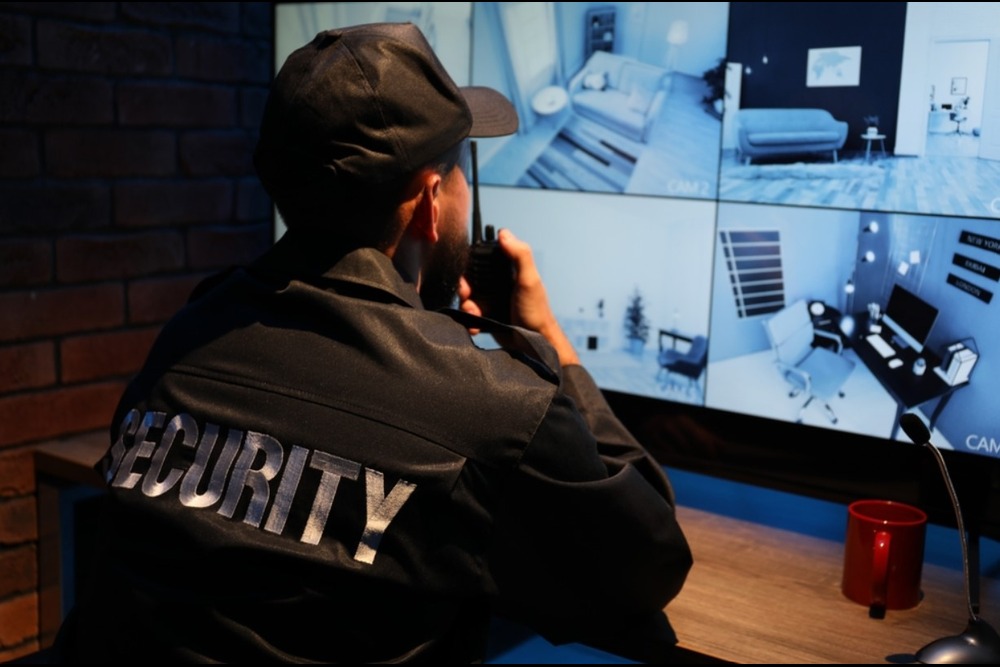
High-definition surveillance systems are essential for deterrence and incident investigation.
In 2026, office CCTV solutions often include:
- AI-powered motion detection
- Remote monitoring
- Behavioural analytics
- Cloud-based storage
However, surveillance systems must comply with UK data protection laws, including
UK GDPR
Corporate security services ensure monitoring practices align with privacy regulations, preventing legal exposure.
Protecting Sensitive Business Data
Office security is no longer purely physical. Data protection is equally critical.
Businesses must secure:
- Client information
- Financial records
- Intellectual property
- Employee data
This requires coordination between IT security and physical office protection. Security services increasingly work alongside cybersecurity teams to ensure that restricted areas, server rooms, and confidential documents are protected physically and digitally.
Risk Assessments & Compliance Planning
A comprehensive security strategy begins with a structured risk assessment.
Professional corporate security services conduct:
- Site vulnerability assessments
- Threat analysis
- Compliance reviews
- Emergency preparedness planning
Compliance with
Health and Safety at Work etc. Act 1974
is mandatory, particularly regarding employee safety and emergency procedures.
Proactive assessments reduce liability and improve operational resilience.
Workplace Violence Prevention & Staff Safety
Employee wellbeing is a growing priority across UK industries. Security planning must include:
- Conflict management protocols
- Panic alarm systems
- Incident response training
- Controlled reception areas
Trained security personnel provide reassurance while maintaining a professional environment. Corporate security services also help design de-escalation strategies and crisis management procedures.
The Role of Technology in Office Security
Technology is reshaping corporate security in the UK.
Emerging solutions include:
- AI-driven visitor tracking
- Smart building integration
- Real-time security dashboards
- Cloud-managed access systems
Corporate security services now focus on integrating these technologies into a unified system rather than managing separate tools.
A connected ecosystem enhances visibility, speeds up incident response, and improves overall security posture.
Hybrid Working & Security Challenges
Hybrid working has introduced new vulnerabilities.
When offices operate at reduced occupancy:
- Unmonitored access points become risks
- Equipment may be left unattended
- Cleaning and maintenance contractors require supervision
Corporate security services adapt to flexible office models by offering mobile patrols, remote monitoring, and flexible staffing solutions.
Incident Response & Business Continuity
Security planning must include structured incident response procedures.
This includes:
- Clear reporting channels
- Escalation frameworks
- Coordination with local authorities
- Business continuity planning
Companies prepared for disruption recover faster and protect their reputations more effectively.
Insurance & Liability Considerations
Insurers increasingly evaluate office security standards before issuing policies.
Strong security measures can:
- Lower insurance premiums
- Reduce claim rejections
- Minimise financial losses
Demonstrating structured office security enhances credibility with insurers, stakeholders, and regulatory bodies.
Why Corporate Security Services Are a Strategic Investment
In 2026, office security is not an operational afterthought it is a strategic priority.
Businesses that invest in professional corporate security services benefit from:
- Reduced risk exposure
- Improved employee confidence
- Regulatory compliance
- Enhanced brand reputation
- Stronger data protection
A secure office environment strengthens productivity, protects assets, and builds long-term resilience.
Final Thoughts
The UK business landscape is evolving, and so are the risks facing modern offices. Protecting staff, assets, and data requires more than isolated security measures. It demands a structured, technology-enabled, compliance-driven strategy.
By integrating physical security, smart technology, risk assessment, and regulatory alignment, corporate security services provide comprehensive protection tailored to modern office environments.
In 2026 and beyond, businesses that prioritise professional security solutions will not only safeguard their operations they will build a stronger foundation for sustainable growth.