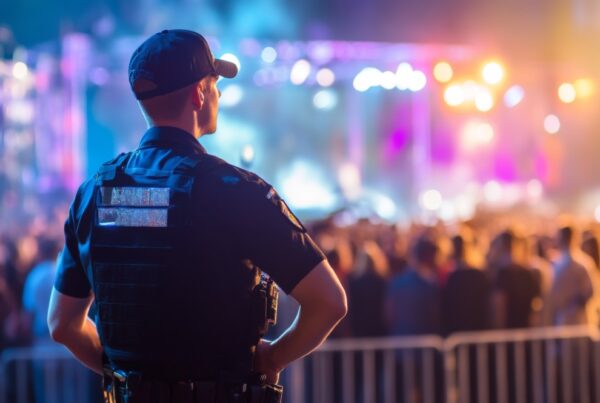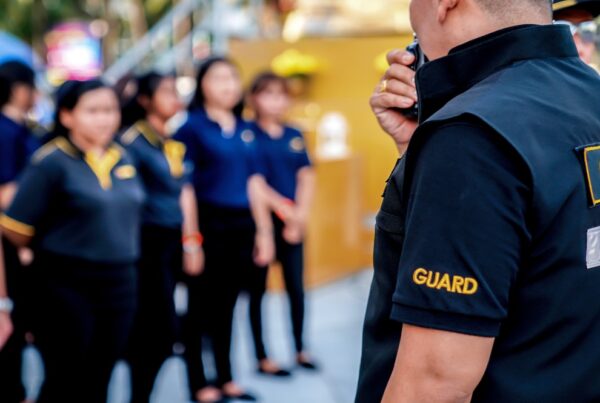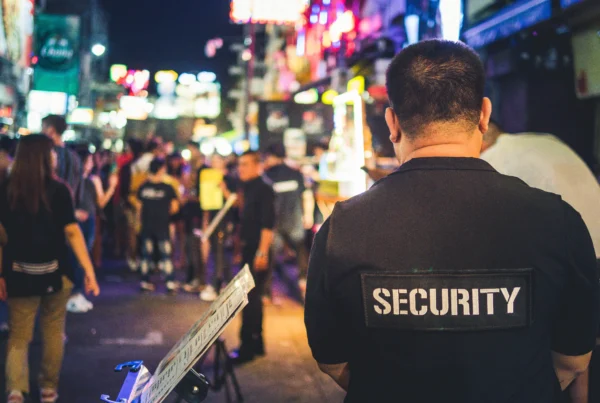
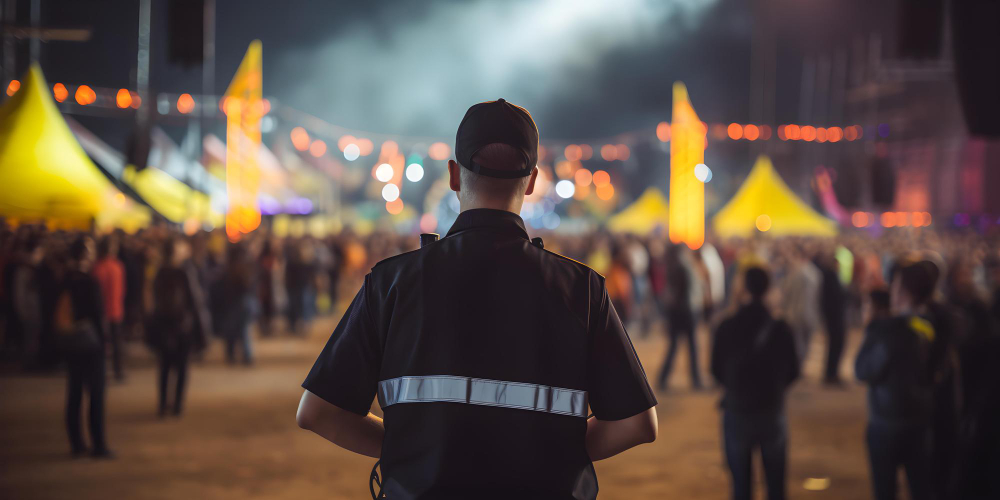
Organising a festival, conference, or concert is a massive logistical undertaking. While the focus is often on ticket sales, lineups, and guest experience, the invisible infrastructure that holds it all together is safety. No matter how perfectly an event is planned, the unpredictable nature of large gatherings means that emergencies can still occur. From medical incidents and fires to severe weather or crowd surges, the potential for chaos is always present. This is where the synergy between a robust emergency response plan and a professional event security guard becomes critical.
Security personnel are not merely there to check bags or scan tickets; they are the primary actors in executing emergency protocols, ensuring that even minor incidents do not escalate into tragedies.
The Reality of Modern Event Risks
Emergency planning is no longer a “nice-to-have” or a box-ticking exercise for insurance purposes. It is a legal and moral necessity. The spectrum of risk at modern events is broad. It encompasses medical emergencies, such as a guest suffering a cardiac arrest, infrastructure failures like power cuts or structural collapses, and environmental hazards.
In recent years, the industry has also had to adapt to more severe threats, necessitating dynamic lockdown procedures and evacuation strategies. A comprehensive plan accounts for these variables, but a plan is only as good as the people executing it. An event security guard serves as the bridge between theoretical planning and practical application.
Role of an Event Security Guard in Crisis Management
When an alarm triggers or a distress call goes out, seconds matter. Emergency services such as police, fire, and ambulance are essential, but they are rarely on-site the moment an incident occurs. Security guards are. They act as the immediate first responders, holding the line until statutory services arrive.
Situational Awareness and Early Detection
The most effective emergency response is prevention. Trained security personnel maintain a high level of situational awareness. They monitor crowd density to prevent crushing, identify suspicious behaviour, and spot hazards like blocked fire exits before the doors even open. By addressing these issues proactively, an event security guard can often neutralise a threat before it requires a full-scale emergency response.
Managing Crowd Psychology
Panic is often more dangerous than the emergency itself. In a fire or evacuation scenario, the natural human instinct is to flee, often towards the entrance they came in through. This can cause bottlenecks and dangerous surges.
A professional event security guard is trained to manage crowd psychology. These guards provide clear, authoritative verbal commands and use body language to direct attendees to alternative exits. Their presence offers a visual anchor of authority, which can have a calming effect on a frightened crowd.
Integrating Security into the Planning Phase
For an emergency plan to work, security teams must be involved from the very beginning. Bringing a security firm in at the last minute is a recipe for failure.
Risk Assessment Collaboration
Security professionals bring a unique perspective to risk assessments. While an event organiser might look at a venue and see a great stage location, an event security guard supervisor sees potential pinch points and evacuation hurdles. Their input ensures that the emergency plan is grounded in the physical reality of the venue.
Establishing Chains of Command
In a crisis, ambiguity is dangerous. Everyone needs to know who is in charge. Emergency plans must establish a clear chain of command. Who makes the decision to stop the show? Who authorises a partial evacuation versus a full evacuation?
Security teams operate within a strict hierarchy. If a guard on the perimeter spots a fire, they report it to their supervisor, who relays it to the control room. This streamlined communication prevents misinformation from spreading and ensures that the person making the critical decisions has accurate, verified data.
Communication: The Lifeline of Safety
Effective communication is the glue that holds an emergency response together. If radios fail or codes are misunderstood, the coordinated response collapses.
Coded Comms and Radio Discipline
To avoid causing public alarm, security teams use coded language to communicate specific threats over the radio. This allows them to position resources to deal with a medical emergency or a security breach without inciting panic among guests. An experienced event security guard practices strict radio discipline, keeping channels clear for critical information.
Liaising with Emergency Response Teams
Once the police or ambulance service arrives, control of the scene is typically handed over to them. However, they will rely heavily on the on-site security team for intelligence. Guards can provide vital information about where the incident is, the safest access routes for paramedics, and the current state of the crowd.
Training, Drills, and Briefings
A theoretical plan in a binder helps no one. The success of emergency response relies on muscle memory and rehearsal. Professional security providers invest heavily in training their staff for worst-case scenarios.
Pre-Event Briefings
Before every shift, a briefing should take place. This is where the specific nuances of the emergency plan are refreshed. Guards are assigned specific zones and told exactly what their role is if an evacuation is signalled. For example, a guard stationed at a rear exit needs to know that their primary duty in an alarm is to open those doors and secure them in the open position.
Scenario Testing
Table-top exercises and live drills allow organisers and security teams to test their plans. What happens if the main exit is blocked? What if the PA system fails? Rigorous testing exposes weaknesses in the plan, allowing them to be fixed before the public arrives.
Final Words
The success of an event is not measured solely by applause or revenue, but by the safe return home of every attendee and staff member. While we cannot predict every variable, we can prepare for them. Investing in high-quality security is an investment in the resilience of the event. A well-trained event security guard does more than stand watch; they facilitate movement, provide assistance, and, in the worst-case scenarios, save lives.
By integrating security personnel into the heart of emergency response planning, organisers ensure that they are ready to handle whatever challenges the day may bring.Are you looking for a professional and trustworthy event security guard? Just connect with us to make your event hassle-free.